
SRI PADMAVATI MAHILA VISVAVIDYALAYAM
(Women's University), Tirupati, Andhra Pradesh
Project Title: Wings of Seshachalam: A Comprehensive Photographic Study of Bird Species, Habitats, Behaviour and Migration (Under PM-USHA)
Winter Migrants
(Flycatchers, Warblers & Small Passerines)
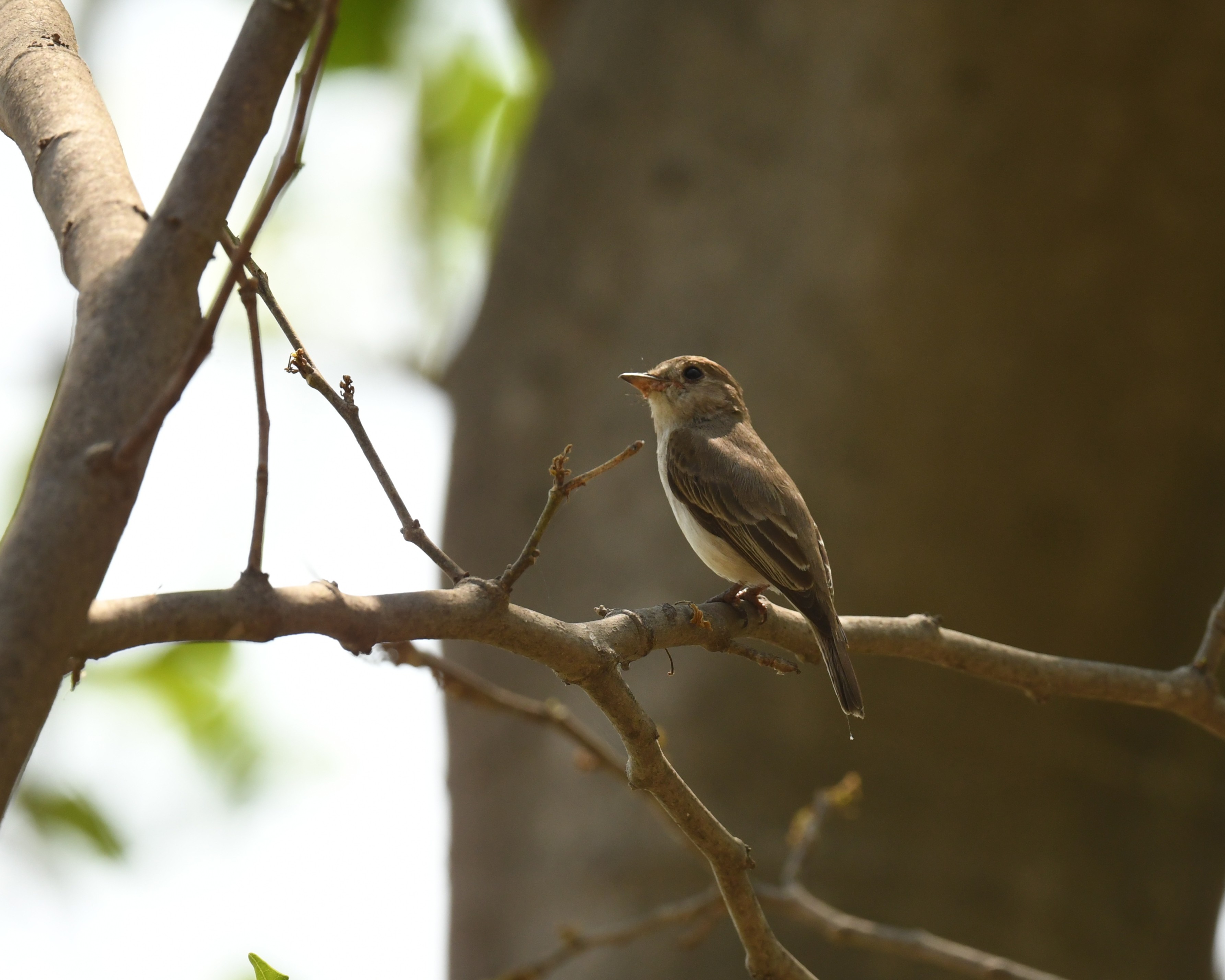
Asian Brown Flycatcher
Forest edges / Gardens / Groves
Insectivore; feeds primarily on flying insects, often sallying out from exposed perches. Winters across peninsular India. Nests in northern Asia; completely migratory in South India. Behavior is quiet and unobtrusive; pale grey-brown plumage with distinct eye-ring. Often seen perched upright on low branches, performing repeated sallies.
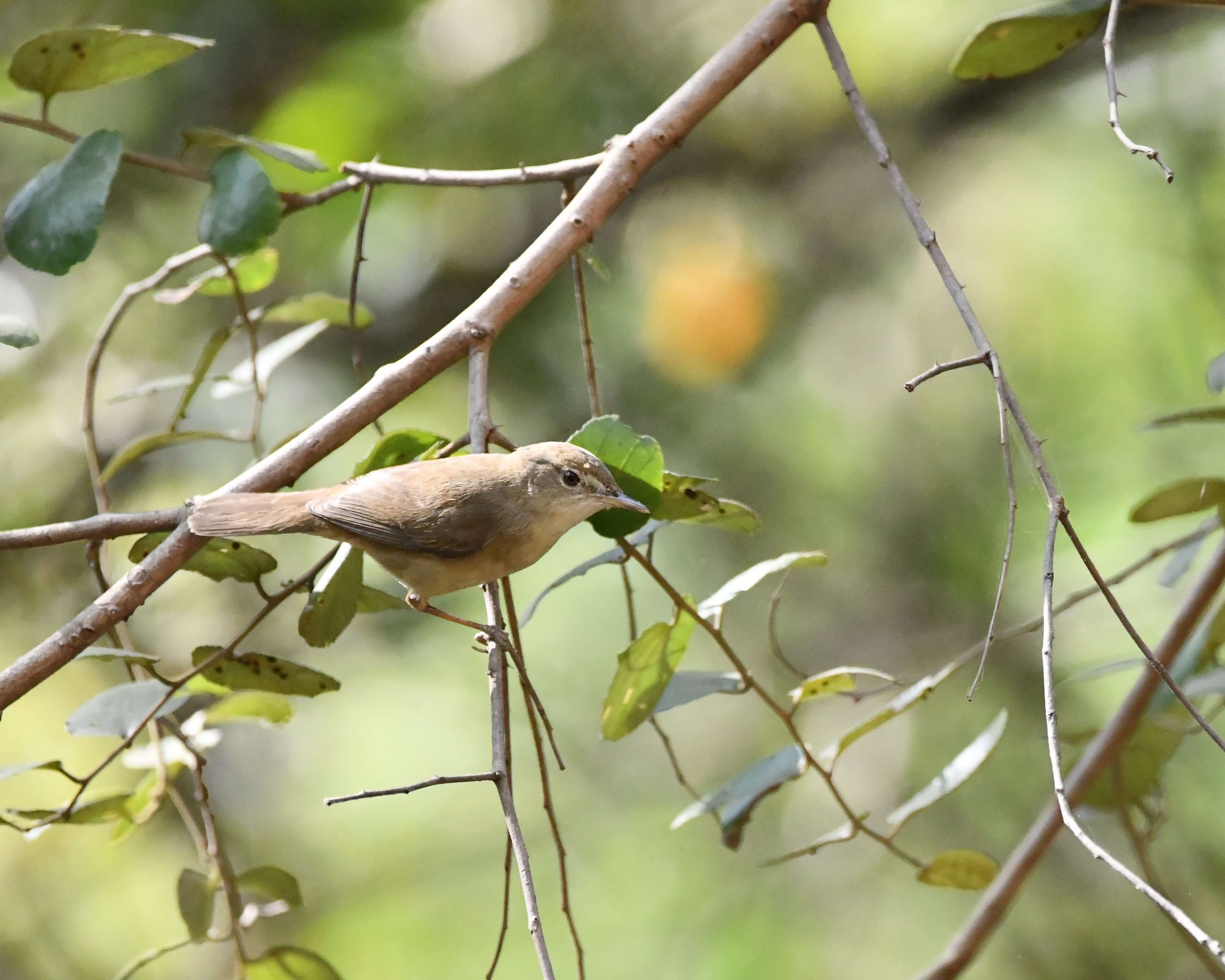
Blyth’s Reed Warbler
Shrubs / Gardens / Reed beds Insectivore; feeds on small insects and larvae. Abundant winter migrant in South India, especially around gardens and scrub. Constantly flicks wings and moves actively inside bushes. Song is a rapid chattering series during breeding season (not heard in winter). Hard to spot due to dull brown plumage but very common.
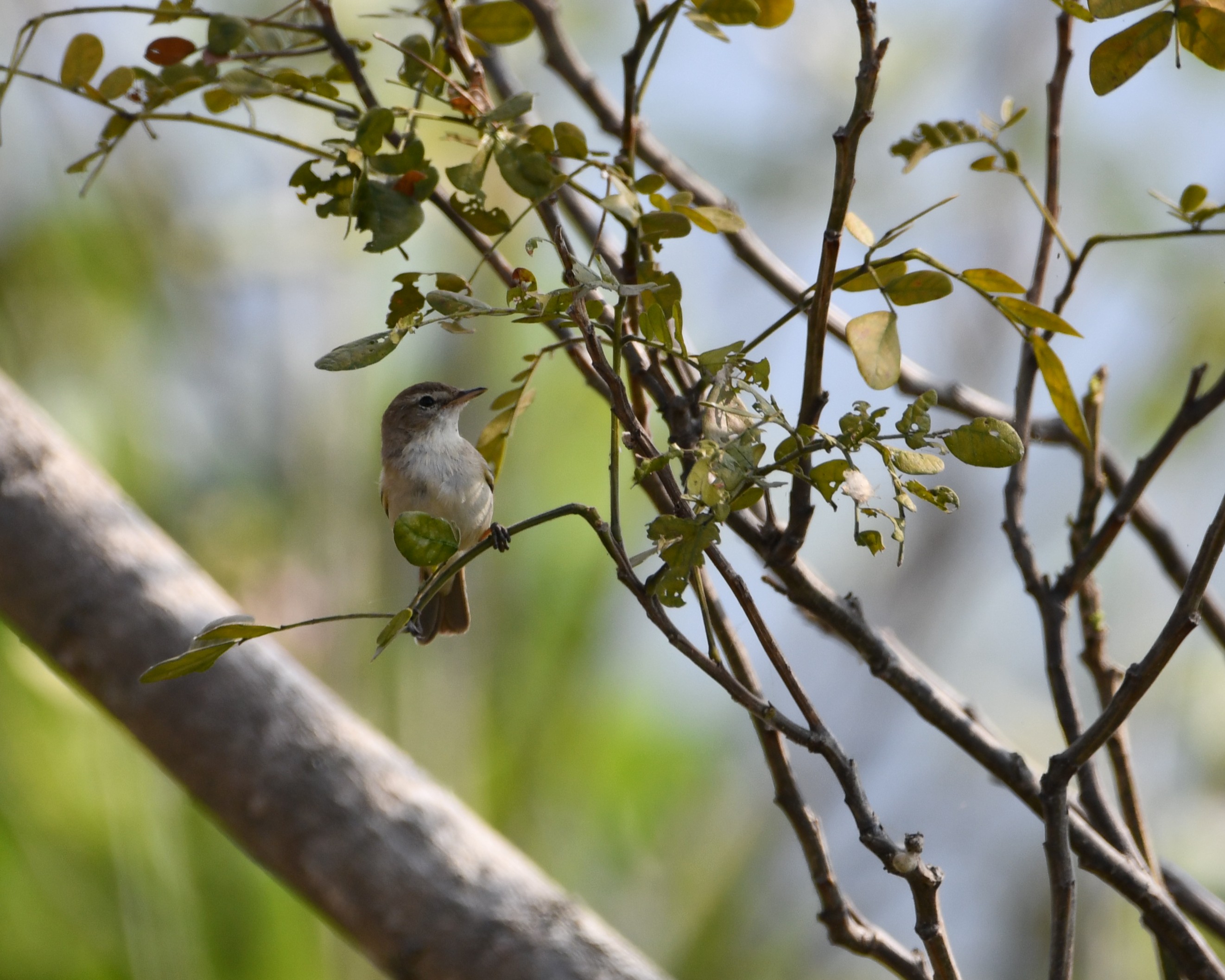
Booted Warbler
Open scrub / Dry grassland / Farmland edges
Insectivore; feeds on beetles, caterpillars, and small insects. Winters in India. Pale sandy-brown warbler with faint supercilium and longish bill. Often found in low shrubs, solitary, and moves cautiously. Prefers dry, open habitats more than greenish and Blyth’s warblers.
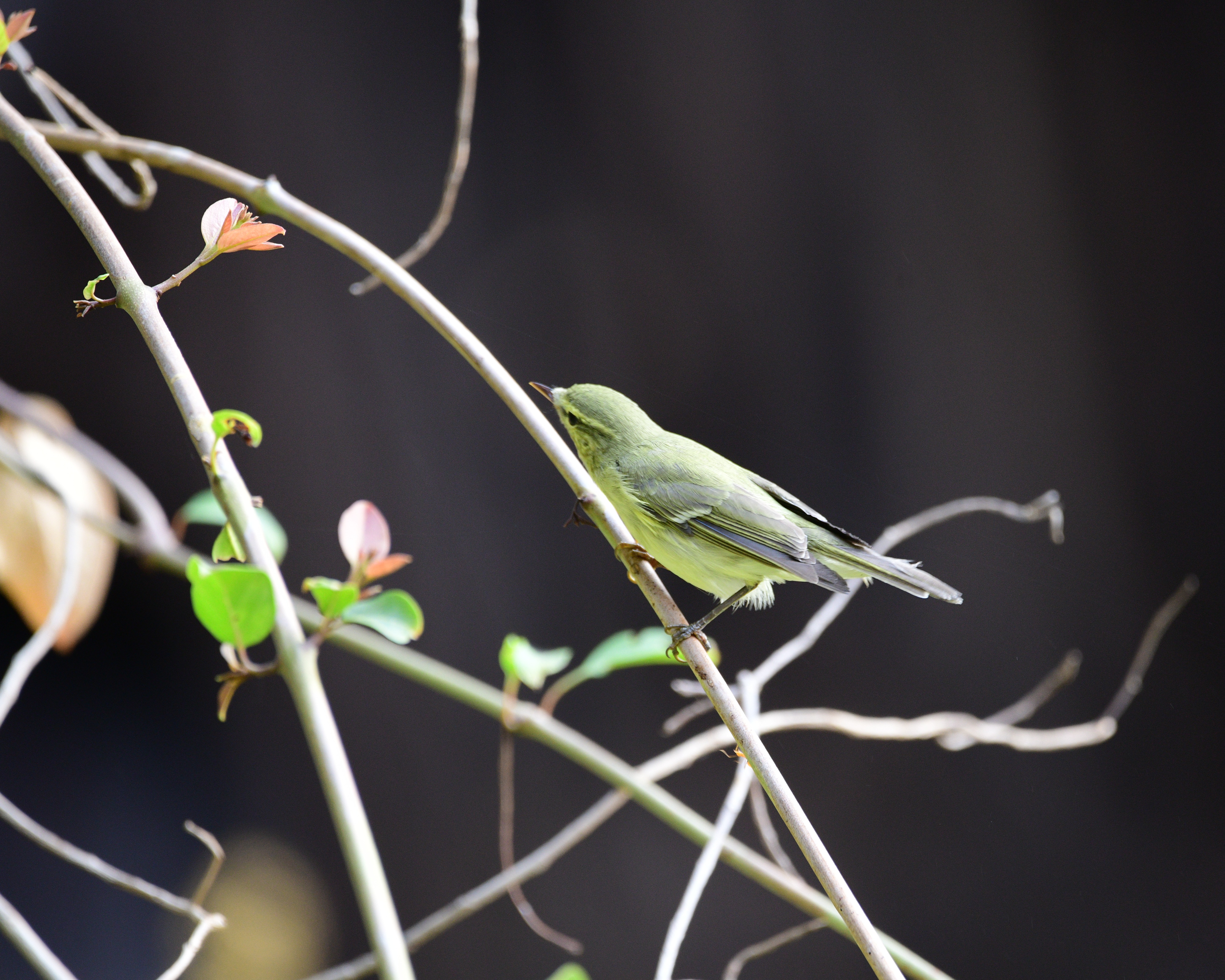
Greenish Warbler
Forest edges / Gardens / Mixed woodland
Strictly insectivorous; gleans tiny insects from leaves. Winter migrant across peninsular India. Identified by pale supercilium and two pale wingbars. Very active and restless, hopping through foliage. Found in both lowlands and hill forests.
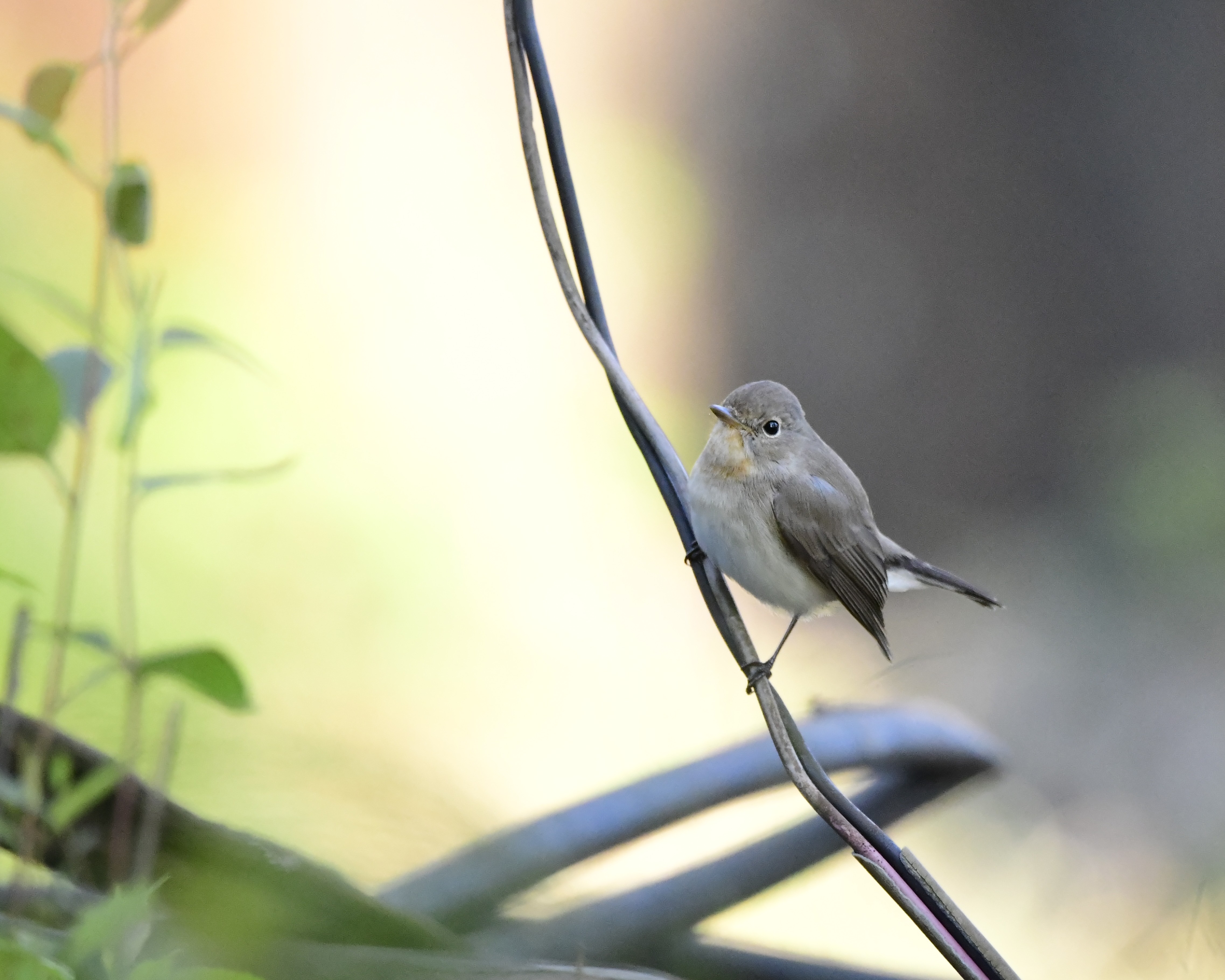
Red-breasted Flycatcher
Wooded areas / Scrub forests / Gardens
Insectivorous; gleans insects from foliage and catches aerial insects. Winter migrant to South India. Males in breeding plumage show bright orange throat, while wintering individuals appear duller. Constant tail-flicking is a key behaviour. Prefers shady understory and mixed trees.
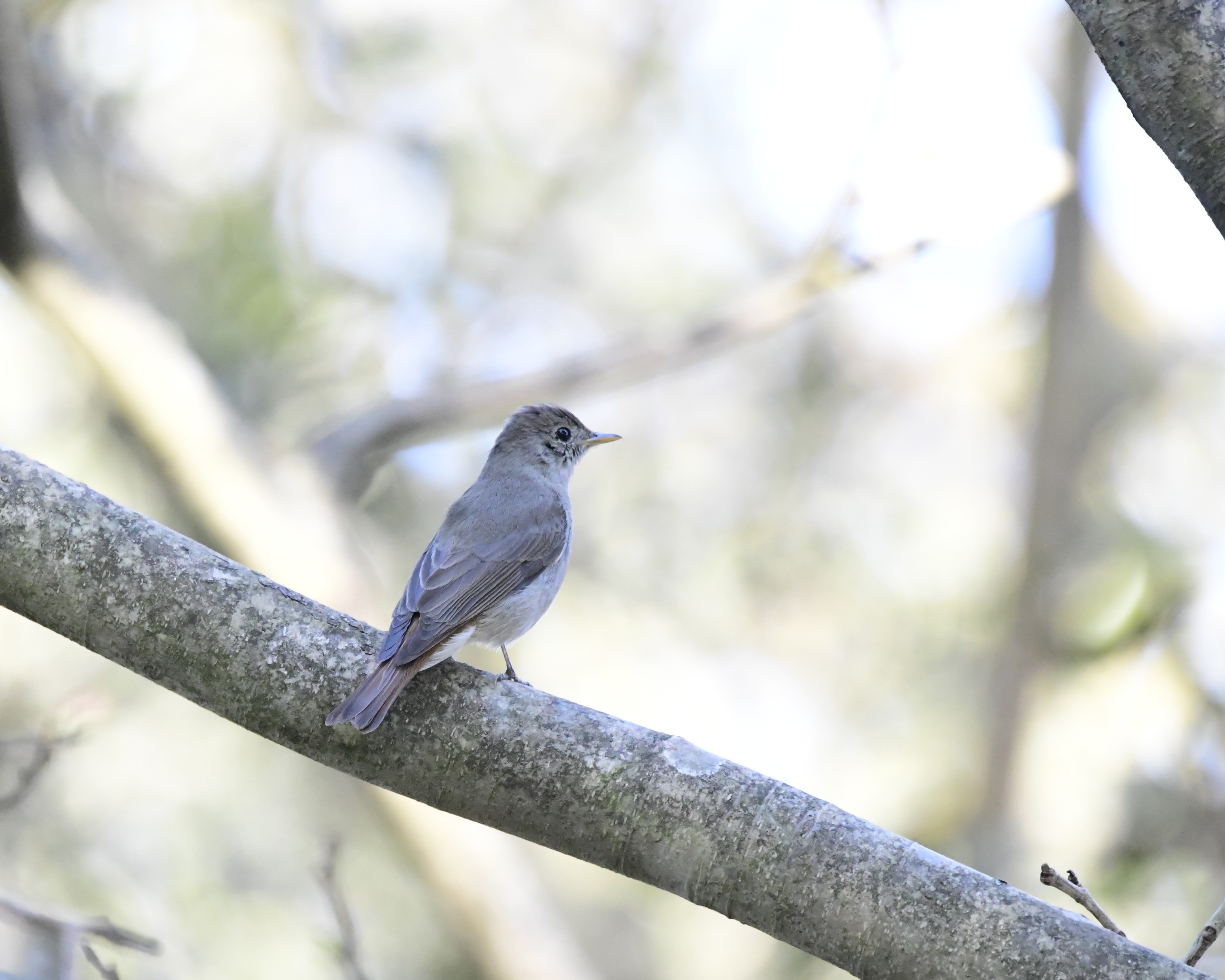
Rusty-tailed Flycatcher
Forest patches / Hill slopes / Woodland edges
Feeds on insects; hawks small flying insects and picks prey from leaves. Winter visitor to Eastern Ghats. Distinctive rufous tail visible in flight or while flicking tail. Typically shy and solitary; occupies dry deciduous forest tracts.
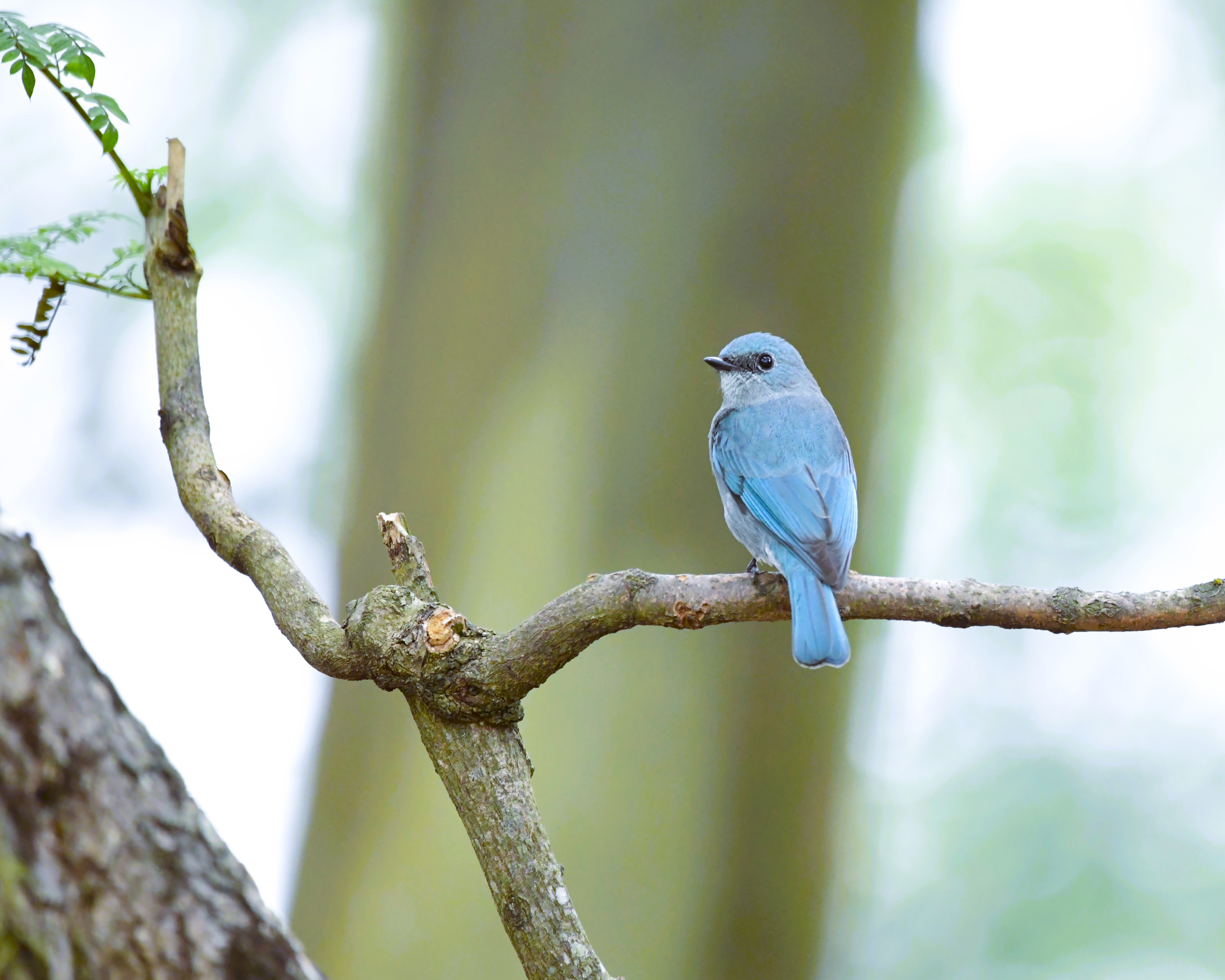
Verditer Flycatcher
Hill forests / Riparian woodland / Shaded groves
Primarily insectivorous. Winters locally in hillier parts of South India. Brilliant turquoise-blue plumage easily recognizable. Often perches on high exposed branches. Moves singly or in scattered small groups. Prefers elevated perches for sallying flights.